
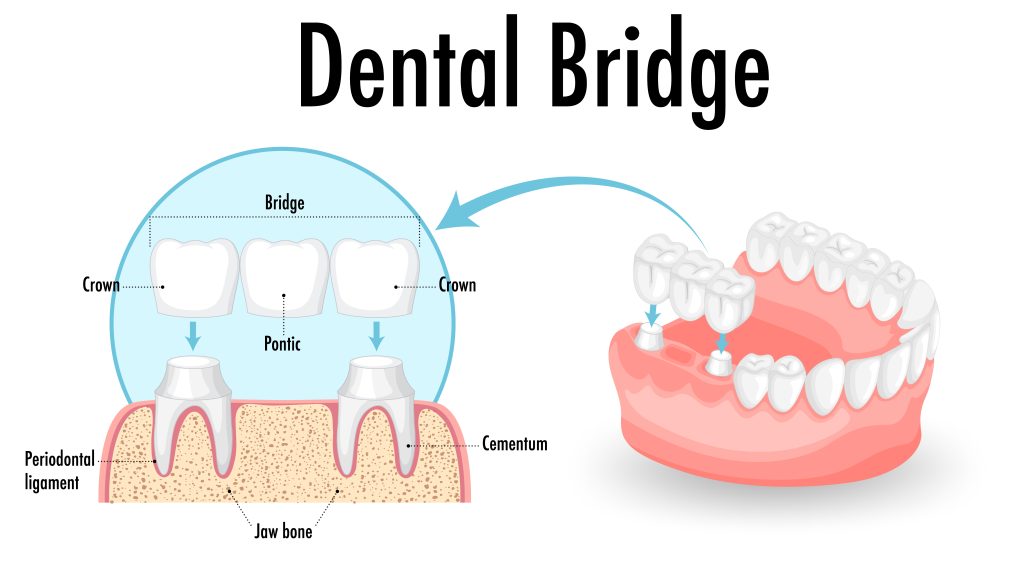
If you find that losing a tooth makes eating or speaking difficult, getting implant bridges in Crestview offers a reliable way to fill those empty spaces. Modern dental technology helps people feel brave again by providing solutions that look and feel completely natural. A dental bridge acts exactly like its name suggests: it bridges the gap where a tooth used to be. For residents seeking a permanent and sturdy solution, these tools provide a way to restore a smile without relying on surrounding natural teeth for support.
How Does a Dental Bridge Actually Work?
A bridge is a single piece of dental hardware that stays in your mouth all the time. It uses a fake tooth to fill the space, and the fake tooth is held up by “anchors” on either side. In the past, these anchors were almost always your natural teeth, which had to be trimmed down to fit a cap or crown.
Today, many people prefer a different style. Instead of using natural teeth as the base, a dentist can place small titanium posts into the jawbone. These posts act like roots for new teeth. When you choose implant bridges near you, the bridge attaches to these metal posts rather than your healthy teeth. This keeps your other teeth completely untouched and strong.
What Is the Rule for Dental Bridges?
Many patients ask if there are specific requirements for getting this treatment. While there is no single “law” for every mouth, a general guideline exists: you must have enough support to hold the weight of the new teeth.
- Supportive Anchors: There must be a sturdy foundation on both sides of the gap.
- Healthy Gums: The area around the missing tooth needs to be free of infection or gum disease.
- Bone Strength: If using implants, the jawbone must be thick enough to hold the metal posts securely.
A professional at a dental office in Crestview will take pictures of your jaw to ensure the area can handle the pressure of chewing. If the span of missing teeth is too long, the dentist might recommend adding more than two anchors to make sure the bridge does not break or feel loose.
At What Age Should You Not Get Dental Bridges?
Age is usually just a number when it comes to fixing a smile. There is no specific age at which someone becomes “too old” for a bridge. As long as a person is healthy enough for a standard dental visit, they can likely get a bridge to help them eat and talk more clearly.
However, very young children should wait. Because a child’s jaw is still growing and changing shape, placing a permanent bridge too early could cause problems as the mouth gets bigger. Most dentists suggest waiting until a young adult has finished growing, which is usually in the late teens or early twenties. For seniors, the main focus is on bone health and making sure any existing health issues are managed before the procedure begins.
Why Choose a Bridge Over Other Options?
Filling a gap in your smile is about more than looks. When a tooth is missing, the other teeth in your mouth can start to lean or slide into the open space. This movement can ruin your “bite” and lead to headaches or jaw pain.
- Better Chewing: You can eat your favorite crunchy foods again without worry.
- Clear Speech: Teeth help you make certain sounds; a bridge helps you talk clearly.
- Face Shape: Teeth support your cheeks and lips. A bridge keeps your face from looking “sunken” or tired.
- Quick Results: Traditional bridges can often be finished in just two or three visits.
Modern materials like porcelain or ceramic allow the fake teeth to look exactly like your real ones. Nobody will even know you have a bridge unless you tell them!
Time to Reclaim Your Glow? Connect with Freedom Dental
A bright and full smile helps you feel brave when meeting new people and makes eating your favorite meals a lot more fun. Our friendly team loves helping neighbors find the perfect path to a healthy, complete set of teeth that lasts for years.
Whether you need a small fix or a brand-new bridge, we are here to answer your questions and make the process easy. Contact to our office today to set up a visit and see how we can help you smile again!
Frequently Asked Questions
-
Is getting a dental bridge a painful process?
The dentist will numb the area, so you do not feel anything during the appointment. Afterward, your gums might feel a little tender for a few days, but most people return to their normal routine very quickly.
-
How do I clean a bridge?
Since a bridge is one solid piece, you cannot slide regular floss between the fake tooth and the anchors. You will use a special tool called a floss threader or a water flosser to clean underneath the bridge and keep your gums healthy.
-
How long will a bridge last?
A traditional bridge usually lasts between five and fifteen years before it needs to be replaced. If you choose an implant-supported bridge and take great care of it, the foundation can last a lifetime.
-
Can a bridge replace more than one tooth?
Yes, a bridge can fill a gap of several missing teeth in a row. The dentist will make sure there are enough strong anchors on each side to keep everything stable and safe.