
Keeping your smile healthy means looking at more than just your teeth. Your gums are the foundation for every tooth in your head, and catching problems early can save you from a lot of pain.
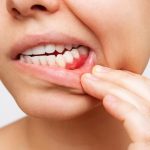
If you notice swelling or redness, seeking gum disease treatment in Crestview is the best way to stop infection before it spreads. Most people don’t realize that gum issues are often silent, meaning they don’t hurt until they are very serious.
Being aware of the small changes in your mouth today can ensure you keep your natural teeth for a lifetime.
Why Does Bleeding During Brushing Matter?
One of the first things people notice is a little bit of pink in the sink when they brush or floss.
While some think they are just brushing too hard, this is actually a major warning sign.
Healthy gums should never bleed during normal cleaning. When plaque stays on the teeth for too long, it irritates the soft tissue and makes it fragile.
If you see blood regularly, it is time to talk to a dentist in Crestview to see if an infection is starting. Ignoring this early sign can lead to the tissue pulling away from the tooth entirely.
What Are The 7 Red Flags to Watch For?
Knowing what to look for can help you take action before the bone around your teeth gets damaged. Here are the most common signs that something is wrong:
- Puffy or Swollen Gums: Your gums should feel firm and look pale pink, not puffy and dark red.
- Persistent Bad Breath: If a bad taste or smell won’t go away even after brushing, bacteria may be hiding deep in the gums.
- Receding Gum Line: If your teeth look longer than they used to, your gums may be shrinking away.
- Loose Teeth: Feeling a tooth wiggle when you eat is a sign that the support system is failing.
- Pus Between Teeth: Seeing any yellowish fluid when you press on your gums indicates a serious infection.
- Changes in Your Bite: If your teeth don’t fit together the same way they did last month, the bone may be shifting.
- Tender Gums: Pain when chewing or touching your gums is a clear signal that they are inflamed.
How Does Professional Care Stop the Damage?
If you have noticed any of these red flags, finding gum disease treatment near you can help reverse the damage.
Professional cleaning involves reaching into the small pockets where your toothbrush cannot go. By removing the hard tartar that harbors bacteria, the gums are given a chance to heal and reattach to the tooth.
This process is much easier and more comfortable when handled in the early stages of the disease rather than waiting until surgery is required.
Understanding The Stages of Infection
This table helps you see how the problem grows if it is not treated early.
| Stage | Symptoms | Reversible? |
| Gingivitis | Redness, slight bleeding, swelling | Yes, with good cleaning |
| Early Periodontitis | Receding gums, small pockets forming | Manageable, not fully reversible |
| Moderate Periodontitis | Bone loss, tooth sensitivity, deep pockets | Needs deep scaling and care |
| Advanced Periodontitis | Loose teeth, severe pain, tooth loss | Usually requires surgery |
Common Signs That Are Often Missed
Many people wait for pain before they seek help, but gum disease is often painless in the beginning.
Some common signs that are often missed include a slight metallic taste in the mouth or teeth that feel “itchy” under the gum line. You might also notice that food gets stuck between your teeth more often than it used to.
These tiny changes happen so slowly that you might get used to them, but they are loud calls for help from your mouth. Paying attention to these subtle shifts is the key to avoiding big repairs later.
Why Does Gum Health Affect Your Whole Body?
The health of your mouth is tied to the rest of your health. When your gums are infected, bacteria can enter your bloodstream through the tiny sores in the tissue.
Scientists have found links between gum disease and heart problems, as well as issues with blood sugar.
By keeping your gums clean and infection-free, you are actually helping your heart and your immune system stay strong. It is not just about a pretty smile; it is about keeping your whole body in balance.
How To Keep Your Gums Strong at Home
While professional check-ups are important, your daily care routine makes more impact. You can keep the red flags away by following a simple routine:
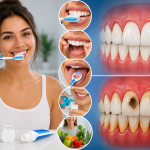
- Brush twice a day: Use a soft brush and aim it toward the gum line at an angle.
- Floss daily: This is the only way to get the plaque out from between the teeth, where disease starts.
- Eat crunchy veggies: Carrots and apples help scrub teeth naturally and stimulate blood flow in the gums.
- Drink plenty of water: Water washes away food bits and keeps your mouth from getting too dry.
Protect Your Foundation for a Lifetime
At Freedom Dental, we are dedicated to helping you catch oral health issues before they become big problems. Our team believes that a healthy mouth leads to a happier life, and we are here to support you with gentle, expert care.
We focus on teaching you how to spot changes early so you can feel confident in your smile.
If you have noticed any of the red flags mentioned today, we invite you to visit us for a thorough check.
Reach out to us today to schedule your visit and keep your smile strong!
Frequently Asked Questions
Can gum disease be cured at home?
Gingivitis can often be reversed with better brushing and flossing, but once it turns into periodontitis, you need professional help. Only an expert can remove the hard tartar that causes the infection to stick around.
Does gum treatment hurt?
Most early treatments are very gentle and feel like a deep cleaning. If the infection is deeper, the team will ensure you are comfortable and numb, so you don’t feel any pain during the process.
Why are my gums receding if I brush every day?
You might be brushing too hard or using a brush with stiff bristles. It could also be a sign of early gum disease, so it is important to have an expert look at the tissue.
How often should I have my gums checked?
A check-up every six months is standard for most people. However, if you have had gum issues in the past, your team might suggest coming in every three or four months to stay safe.