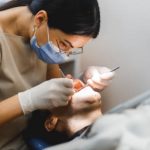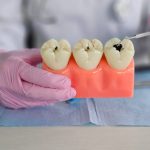

Your gums support your teeth and are the foundation of your smile and overall oral health. When it comes to your gingival environment, they can develop issues just like most things in life if they aren’t appropriately cared for. One of the most commonly experienced issues is periodontal disease, which is a progressive disease that affects the tissue surrounding your teeth.
If you ignore the early warning signs, it can lead to devastation for both your gums and your teeth. If you want periodontal disease treatment near you, the best way to begin your recovery is by calling a qualified dentist for an appointment.
In this blog we will give a run through on the stages of periodontal disease all the way from early warning signs of gingivitis to the more advanced form advanced periodontitis. Knowing them will help you maintain the health of your gums and allow you to take better care of your smile.
What Is Periodontal Disease?
Periodontal disease is an overarching term used to explain an infection of your gums and the bone structures supporting your teeth. Periodontal disease begins as gingivitis which is the earliest and least severe form of the disease.
If gingivitis goes untreated it can progress towards more severe stages, causing damage to girdle margins and the bone supporting your encasement.
To receive professional care, you need to see a dentist in Crestview who can formally diagnose and develop a plan for your treatment needs.
Periodontal Disease Stages
Stage 1 – Gingivitis – The First Indication
Gingivitis is the first stage of periodontal disease. The first thing to understand is that gingivitis occurs when there is plaque that has not been properly removed from your teeth through the act of regular brushing and flossing.
Plaque is a sticky petri dish filled with bacteria that forms on your teeth. This plaque can irritate your gums, especially if the plaque stays too long and you are not properly practicing good hygiene. Gum inflammation is the result of irritation.
Symptoms of gingivitis are:
- Red swollen gums
- Bleeding gums, particularly with brushing or flossing
- Foul breath/stinky
At this stage, you may ask how does gingivitis turn into periodontitis. If the gingivitis is not treated, then the bacteria in the plaque continue to irritate the gums for longer than is necessary, which causes other, more serious types of gum disease, including periodontitis. The good news is that gingivitis can be reversed. In fact, it is possible to cure gingivitis with proper oral hygiene, along with brushing, flossing, and regular dentist visits suggest-, the gums can become healthy again. Unfortunately, untreated gingivitis can lead to greater health concerns.
Stage 2 – Early Periodontitis – When It Starts Getting Worse
If gingivitis is not taken care of, it will develop into early periodontitis. At this point, gingivitis turns into tartar or calculus or pre-fatal hard substances that can only be removed.
The bacteria in the tartar may begin to affect the deeper tissues of the gums and increase inflammation and irritation.
Signs you may be developing early periodontitis are:
- Slightly receding gums
- Increased bleeding when you brush or floss
- More persistent bad breath
- Slight gum pockets (space between teeth and gums)
There are ways to stop the progression of periodontal disease, such as cleaning (scaling and root planing). Although early periodontitis is still reversible with professional treatment and improved oral health care, the damage to your gum and bone may be permanent if you don’t act soon. Looking out for the signs of gum disease is most important at the early stages.
Stage 3: Moderate periodontitis: The destruction is deeper
As periodontitis progresses and enters a moderate stage, the infection will have progressed in a deeper manner to the bone structure that supports their tooth. The gums will recede further, and the pockets (separation or space between tooth and gum) will become deeper. There will be more extensive bone loss and more extensive loss of tooth stability.
Symptoms of moderate periodontitis include:
- Noticeable gum recession
- Persistent bad breath or a bad taste in the mouth
- Swollen, tender gums
- Bleeding gums, even with gentle brushing
- Teeth becoming loose
At this stage, the condition is no longer easily reversible, but treatment can help control the infection and prevent further damage. A professional cleaning and possibly scaling and root planing (a deep cleaning technique) will be needed to remove tartar and bacteria from below the gumline. This is considered the best treatment for early periodontal disease, and it’s crucial to act quickly before it worsens.
Stage 4: Advanced Periodontitis – Severe Damage
The final stage of periodontal disease is advanced periodontitis, which can lead to the most serious complications. By now, the bacteria have caused significant damage to both the gums and the bone that supports your teeth. The pockets between the teeth and gums deepen even further, and the tissue and bone may be irreparably damaged.
Symptoms of advanced periodontitis include:
- Severe gum recession
- Tooth mobility (loose teeth)
- Deep, painful pockets between the teeth and gums
- Excessive bleeding and swelling
- Abscesses or infections in the gums
- Significant bone loss, which can lead to tooth loss
At this stage, treatment options become more complex. You may require surgical procedures to restore the gums and bone, and in some cases, teeth may need to be extracted. This stage highlights the importance of early intervention. What happens if gum disease is left untreated? It leads to irreversible damage to both your gums and teeth. Recovery becomes more difficult, and tooth loss becomes a real possibility.
How to Prevent Periodontal Disease?
The best way to deal with periodontal disease is to prevent it from happening in the first place. Here are a few simple tips for keeping your gums and teeth healthy:
- Brush twice a day: Use a soft-bristled toothbrush and fluoride toothpaste to remove plaque.
- Floss daily: Flossing helps remove food particles and plaque from between your teeth and under the gumline.
- Visit the dentist regularly: Regular check-ups and cleanings can catch problems early and prevent periodontal disease.
- Avoid smoking: Smoking weakens your immune system, making it harder for your body to fight off infections in your gums.
- Eat a healthy diet: A balanced diet with plenty of vitamins and minerals can help support healthy gums.
How to stop gum disease from progressing is straightforward- maintaining good oral hygiene, seeking professional help early, and staying proactive about your oral health can prevent gum disease from worsening.
Don’t Wait – Take Action Today!
Periodontal disease starts small but can lead to serious problems if ignored. If you think you might be experiencing any of the symptoms we’ve discussed, don’t wait for things to get worse. Early intervention can make all the difference in preventing tooth loss and maintaining a healthy smile.
At Freedom Dental, we’re dedicated to helping you maintain your oral health. Whether you’re dealing with early signs of gingivitis or more advanced periodontal disease, our experienced team is here to guide you through treatment and offer the care you need. As an excellent dental clinic near you, don’t wait—schedule an appointment today and take the first step toward healthier gums and a brighter smile!
Call us today at Freedom Dental to schedule your appointment. Your smile deserves the best care!