Sedation dentistry may help people who feel scared or nervous about dental visits, have a strong gag reflex, or find it hard to sit through treatment. It helps you feel relaxed and comfortable during dental care. Sedation dentistry in Crestview may be helpful if you feel anxious, need a long treatment, or have trouble sitting still. The type of sedation depends on your treatment, health, and comfort needs. It does not always mean you will be fully asleep. Some types help you relax while staying awake and able to follow instructions.
When Is Sedation Dentistry Recommended?
Sedation may help when dental visits feel stressful or difficult.
- Dental anxiety: Fear of needles, drills, pain, or past dental visits can make you feel nervous about treatment.
- Long dental treatments: Several treatments in a single visit may be easier with sedation.
- Strong gag reflex: Sedation may help reduce discomfort during certain dental procedures.
- Difficulty sitting still: Restlessness or difficulty staying still may affect treatment.
- Sensitive teeth: Some patients feel more comfortable with additional relaxation support during dental care.
- Complex dental work: Certain surgical or other lengthy treatments may require sedation.
- A dentist in Crestview can review your needs and determine whether sedation is suitable.
What Types of Sedation Are Used During Dental Treatment?
Different sedation methods provide different levels of relaxation. The choice depends on your health, the treatment, and the level of support needed.
1. Nitrous Oxide
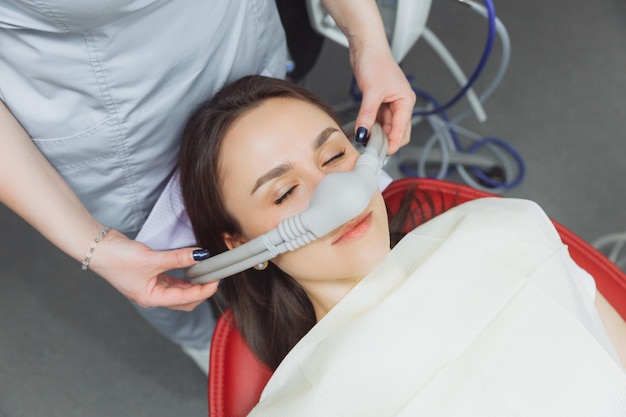
Nitrous oxide, often called laughing gas, is breathed in through a small mask placed over the nose. It helps reduce anxiety and creates a sense of relaxation. You usually remain awake and can follow instructions. Its effects wear off quickly after the gas is stopped.
2. Oral Sedation
Oral sedation means taking prescribed medicine before your dental visit. It helps you feel calm and sleepy. You may remember only some parts of the visit. Someone will usually need to drive you home.
3. IV Sedation
IV sedation is given through a small tube placed in a vein. It works quickly, and the dentist can adjust the amount during treatment. You may feel very sleepy and remember very little. The dental team will monitor your breathing, heart rate, and other important signs.
Does Every Dental Procedure Require Sedation?
No. Most regular dental treatments do not need sedation. Checkups, cleanings, and simple fillings can usually be done with local anaesthesia if needed.
Sedation may be considered for:
- Surgical tooth removal.
- Multiple dental treatments during one visit.
- Longer or more complex procedures.
- Treatment for patients with significant dental fear.
- Certain procedures that are difficult to complete while fully alert.
The decision depends on the treatment and your individual needs. Sedation dentistry near you can be discussed during a dental assessment to understand whether it offers any benefit.
What Should You Discuss Before Choosing Sedation?
A dental assessment is important before using any form of sedation. The dentist needs to understand your health and check whether a particular method is safe.
Be ready to discuss:
- Current medicines and supplements.
- Allergies or previous reactions to medicines.
- Existing health conditions.
- Previous experiences with sedation or anaesthesia.
- Whether you have eaten or drunk anything before the appointment.
A dental office in Crestview should also explain the preparation instructions, possible side effects, and recovery process. Depending on the sedation method, fasting may be required. Follow the instructions provided rather than making changes on your own.
What Happens After Sedation Dentistry?
Recovery depends on the type of sedation used. After nitrous oxide, most people return to their usual activities shortly after the appointment. Oral and IV sedation can take longer to wear off.
After moderate or deeper sedation:
- Arrange for a responsible adult to drive you home.
- Avoid driving or operating machinery for the period advised.
- Follow instructions about eating, drinking, and taking medicines.
- Rest until the effects have worn off.
- Contact the dental team if you experience unexpected or concerning symptoms.
A dentist in Crestview can explain what to expect before treatment so you can plan your return home safely.
Make Your Next Dental Visit More Comfortable!
Dental care should feel manageable, even when anxiety or a lengthy treatment makes an appointment difficult. Understanding the available relaxation options can help you make a comfortable and informed choice. Contact Freedom Dental to discuss your concerns, review your treatment needs, and find out whether sedation may be suitable for your next dental visit.
FAQs
Will sedation dentistry make me unconscious?
Not always. Nitrous oxide and oral sedation help you relax while staying awake. IV sedation may make you very sleepy. How aware you are depends on the amount of sedation used.
Can sedation dentistry help with a strong gag reflex?
Yes. Certain sedation methods may help reduce anxiety and make it easier to manage a strong gag reflex during dental treatment. The most suitable option depends on the procedure and your needs.
Is sedation dentistry safe for everyone?
No sedation method is suitable for everyone. Your medical history, current medicines, age, and overall health must be reviewed before treatment. Proper monitoring is also important.
Can you eat before a sedation appointment?
It depends on the type of sedation. You may need to stop eating and drinking for some time before oral or IV sedation. The rules may be different for nitrous oxide. Always follow your dentist’s instructions.