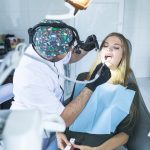

Gum disease can develop without obvious symptoms, particularly in its early stages. Many warning signs are subtle and can easily be overlooked or mistaken for minor oral health issues. Knowing what to watch for can help you seek care before the condition becomes more serious. If you are researching gum disease treatment in Crestview, understanding the warning signs is a useful first step.
What Is Gum Disease?
Gum disease, also called periodontal disease, affects the gums and other tissues that support your teeth. It usually starts when plaque, a sticky layer of bacteria, builds up along the gumline.
The early stage is called gingivitis. It can often be treated and reversed with good oral care. If left untreated, it can develop into periodontitis. This more serious stage can damage the bone that supports your teeth.
6 Warning Signs You Should Not Ignore
1. Gums That Bleed Easily
Seeing blood when you brush or floss is not something to ignore routinely. Bleeding gums can be an early sign of inflammation, particularly when it happens regularly. Healthy gums generally should not bleed during normal brushing and flossing.
2. Red, Swollen, or Tender Gums
Changes in your gums can be a sign of a problem. Your gums may look red, swollen, or puffy, and they may feel sore or tender. These symptoms can happen with gingivitis or more serious gum disease.
3. Persistent Bad Breath
Bad breath that does not go away after brushing, flossing, or using mouthwash may be a sign of a dental problem. Gum disease can cause a lasting bad smell or bad taste because bacteria and infection can build up around your teeth and gums.
4. Gums Pulling Away From Your Teeth
If your teeth begin to look longer than they used to, your gums may be receding. This happens when gum tissue pulls away from the tooth surface. Receding gums can expose more of the tooth and may occur with periodontal disease.
5. Sensitive or Loose Teeth
New tooth sensitivity, discomfort while chewing, or teeth that feel loose deserve professional attention. Advanced gum disease can affect the tissues and bone that hold teeth in place, which may eventually cause teeth to shift or become loose.
6. Changes in Your Bite
A noticeable change in how your teeth come together when you bite can sometimes be associated with gum disease. Shifting teeth or changes in the supporting structures around them can affect your normal bite.
When Should You See a Dentist?
You do not have to wait until your gums hurt before seeking an evaluation. Gum disease can be painless, especially during its early stages. A dentist can examine your gums, check for inflammation and bleeding, measure the spaces around your teeth, and use dental X-rays as needed to assess supporting bone loss.
If you are looking for a dental office near you, consider scheduling an examination if you notice repeated bleeding, swelling, persistent bad breath, gum recession, tooth looseness, or changes in your bite.
What Can Help Prevent Gum Disease?
Daily oral hygiene plays an important role in protecting your gums. Brush your teeth at least twice a day with fluoride toothpaste and clean between your teeth daily. Regular dental visits can also help identify problems before they become more advanced. Tobacco use, diabetes, and certain medications can increase the risk of gum disease, so tell your dental provider about relevant health or lifestyle factors.
Is Gum Lift the Same as Gum Disease Treatment?
No. These are different procedures with different purposes. A cosmetic procedure, such as a Gum lift in Crestview, reshapes excess gum tissue to improve the appearance of a smile. Gum disease treatment, by contrast, is focused on reducing infection and inflammation and protecting the tissues that support your teeth. A dental professional can evaluate your oral health and determine which type of treatment, if any, is right for you.
Take the Next Step for Your Gum Health
At Freedom Dental, your gum health can be evaluated during a comprehensive dental examination. If you have noticed bleeding, swelling, recession, bad breath, or changes in your teeth, schedule a visit with our dental team to discuss your concerns and appropriate next steps.
If you are researching gum disease treatment near you, a professional evaluation can help you understand what is happening and what care may be recommended.
Common Questions About Gum Disease
Can gum disease go away on its own?
Early gingivitis can often be reversed with professional care and improved oral hygiene. Periodontitis is distinct and generally requires professional management because it can damage the supporting tissues and bone.
Can I have gum disease without pain?
Yes. Gum disease is often painless, particularly in its earlier stages. That is why regular dental examinations matter even when your mouth feels normal.
Does a gum lift near you treat gum disease?
A cosmetic gum-lifting procedure is not a substitute for periodontal care. If you have signs of infection or inflammation, your dentist should first evaluate the health of your gums and supporting tissues.
Can regular dental visits help prevent gum disease?
Yes. Routine dental visits allow your dental professional to monitor your gums, identify early warning signs, and recommend appropriate hygiene or treatment when needed. A dental office in Crestview can also help you maintain a consistent preventive care schedule.